
Jump to content
View in the app

A better way to browse. Learn more.

The Network by Moraga

A full-screen app on your home screen with push notifications, badges and more.
To install this app on iOS and iPadOS
  1. Tap the Share icon in Safari
  2. Scroll the menu and tap Add to Home Screen.
  3. Tap Add in the top-right corner.
To install this app on Android
  1. Tap the 3-dot menu (⋮) in the top-right corner of the browser.
  2. Tap Add to Home screen or Install app.
  3. Confirm by tapping Install.

This event began 02/02/21 and repeats every year forever

(A/RES/75/317)

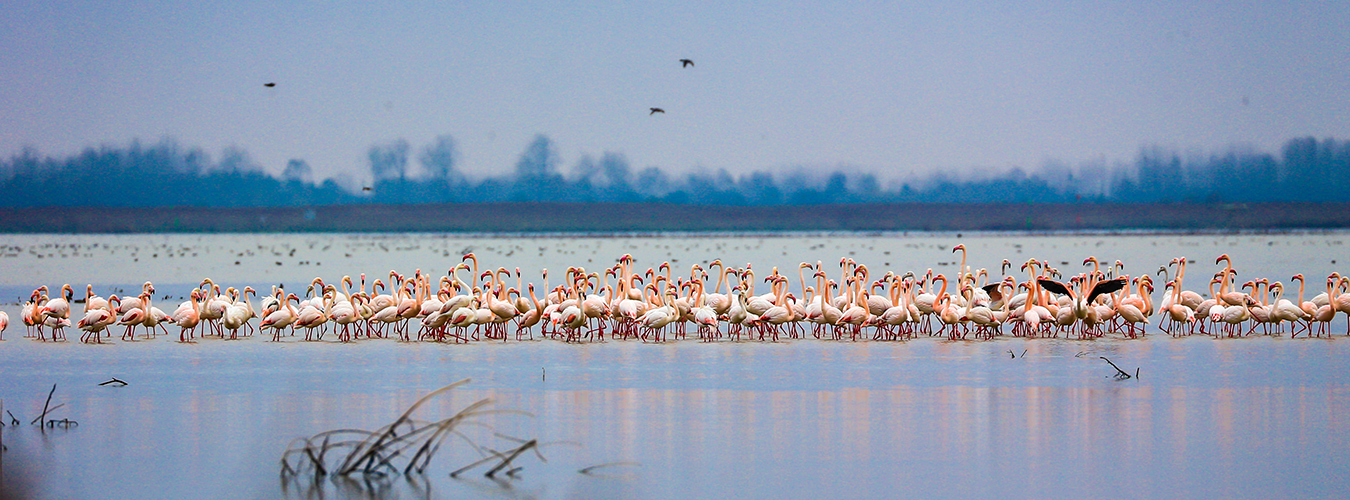
Wetlands are ecosystems where water is the primary factor controlling the environment and the associated plant and animal life. A broad definition of wetlands includes both freshwater and marine and coastal ecosystems such as all lakes and rivers, underground aquifers, swamps and marshes, wet grasslands, peatlands, oases, estuaries, deltas and tidal flats, mangroves and other coastal areas, coral reefs, and all human-made sites such as fishponds, rice paddies, reservoirs and saltpans.

These lands are critical to people and nature, given the intrinsic value of these ecosystems, and their benefits and services, including their environmental, climate, ecological, social, economic, scientific, educational, cultural, recreational and aesthetic contributions to sustainable development and human wellbeing.

Though they cover only around 6 per cent of the Earth’s land surface, 40 per cent of all plant and animal species live or breed in wetlands. Wetland biodiversity matters for our health, our food supply, for tourism and for jobs. Wetlands are vital for humans, for other ecosystems and for our climate, providing essential ecosystem services such as water regulation, including flood control and water purification. More than a billion people across the world depend on wetlands for their livelihoods – that’s about one in eight people on Earth.


Recommended Comments

There are no comments to display.

Join the conversation

You can post now and register later. If you have an account, sign in now to post with your account.
Note: Your post will require moderator approval before it will be visible.

Guest
Add a comment...

Configure browser push notifications

Chrome (Android)
  1. Tap the lock icon next to the address bar.
  2. Tap Permissions → Notifications.
  3. Adjust your preference.
Chrome (Desktop)
  1. Click the padlock icon in the address bar.
  2. Select Site settings.
  3. Find Notifications and adjust your preference.